Denton Homeschool Orchestra Christmas Concert 2025
Thursday Dec 11, 2025, 7:00 PM
The Recital Hall at the University of North Texas
415 Avenue C, Denton, TX 76201
Director: Carma Needham
Program
(*Digital program looks best in landscape mode*)
Beginner Ensemble:
Go to:
A collection of folk songs:
Hot Cross Buns
Mary Had a Little Lamb
Twinkle Twinkle
This Old Man
Frere Jacques
Jolly Old St Nicholas
The First Noel
Members:
Violins: Dija Al-Baaj, Lizzie Bennion, Ella Bennion, Aden Leonard, Sam Sterns
Cellos: Micah Al-Baaj, Eden Bennion, Ilana Grauke, Asher Leonard
Bass: Landon McGinnis
The First Noel turns 200!
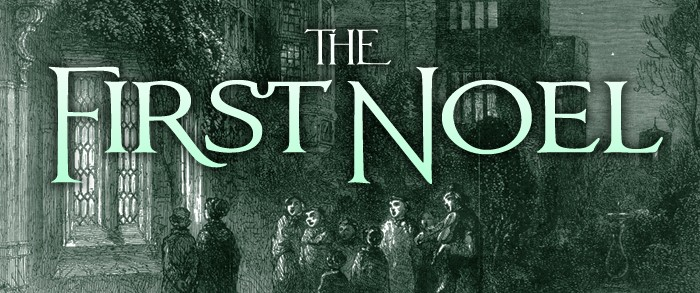
The first recorded publication of this beloved Christmas carol dates back to 1823, making this hymn 202 years old! Though the song originated in Cornwall (south west) England, the word “Noël” is a french word which means “The Christmas season,” which in turns come from the latin “natalis” meaning “birth.”
Novice Ensemble:
Go to:
Joy to the World
Isaac Watts and Lowell Mason, arr. Carma Needham
For the Dancing and the Dreaming
John Powell and Jónsi, arr. Carma Needham
featuring soloist Sebastian A Los, violin
Deck the Halls
Thomas Oliphant, arr. Carma Needham
Members:
Violins: Mary Katherine Harrison, Kinsley Hodges, Sebastian A Los, Camdyn Martino, Landon McGinnis, Sterling Morgan, Lilly Packer, Juliette Pelissie
Violas: Bethany Harrison, Ellie Needham, Fiona Turner
Cellos: Gabriella Harrison
Joy to the World
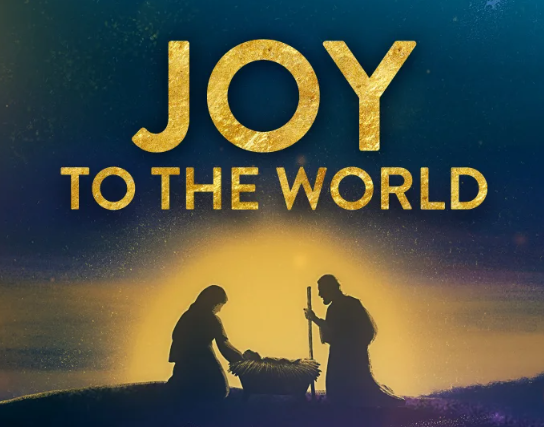
Did you know this carol was originally penned as a celebration for Christ’s second coming? It paraphrases Psalm 98, especially verses 4-6:
4 Shout for joy to the Lord, all the earth,
burst into jubilant song with music;
5 make music to the Lord with the harp,
with the harp and the sound of singing,
6 with trumpets and the blast of the ram’s horn—
shout for joy before the Lord, the King.
The phrase “The Lord is come!” allows for the dual interpretation of this song as a Christmas carol, and so we enjoy it anew every year.
For the Dancing and the Dreaming
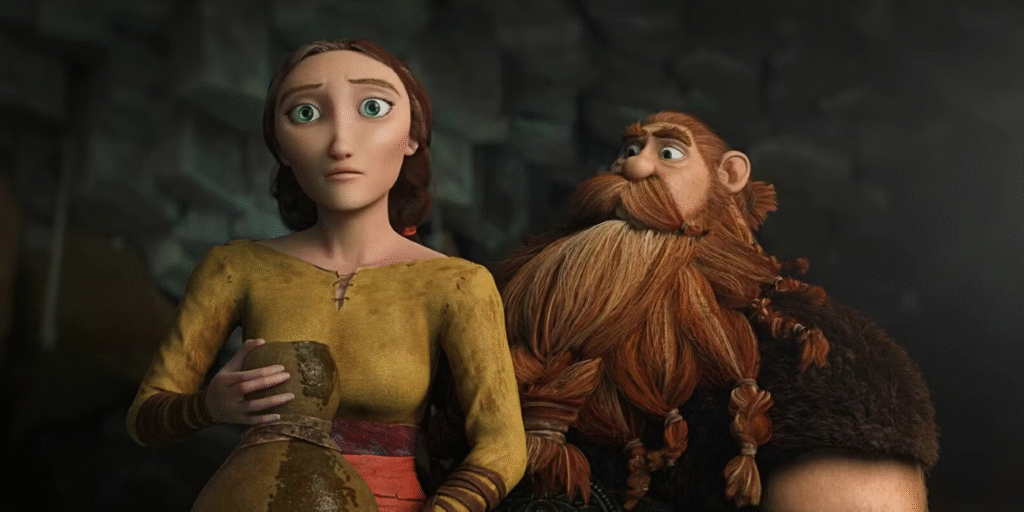
This is the first selection from Howard Shore’s How To Train Your Dragon that you’ll hear tonight. The brash chief Stoic timidly begins singing this song to his estranged wife Valka, heard as a solo violin, trying to draw her into the memory of happier times. She tentatively responds, and as the music grows with the full orchestra, it symbolizes the rekindling of their love for each other.
— Brief Intermission —
Intermediate Ensemble:
Go to:
Oh, Come All Ye Faithful
John Francis Wade, arr. Carma Needham
Storm the Gates
Alan Lee Silva
Suite from The Lord of the Rings: The Fellowship of the Ring
Howard Shore, arr. Carma Needham
featuring soloists Layla Benson, violin and Sammy Packer, piano
Members:
Violins: Layla Benson, Josh Carroll, Brooklyn Merkley, Aiden Schilhab, Cecily Yarbrough
Viola: Emerie Powell, Caleb Yen
Cellos: James Ellis, Jacob Merkley, Haven B Yarbrough
Piano: Sammy Packer
Storm the Gates
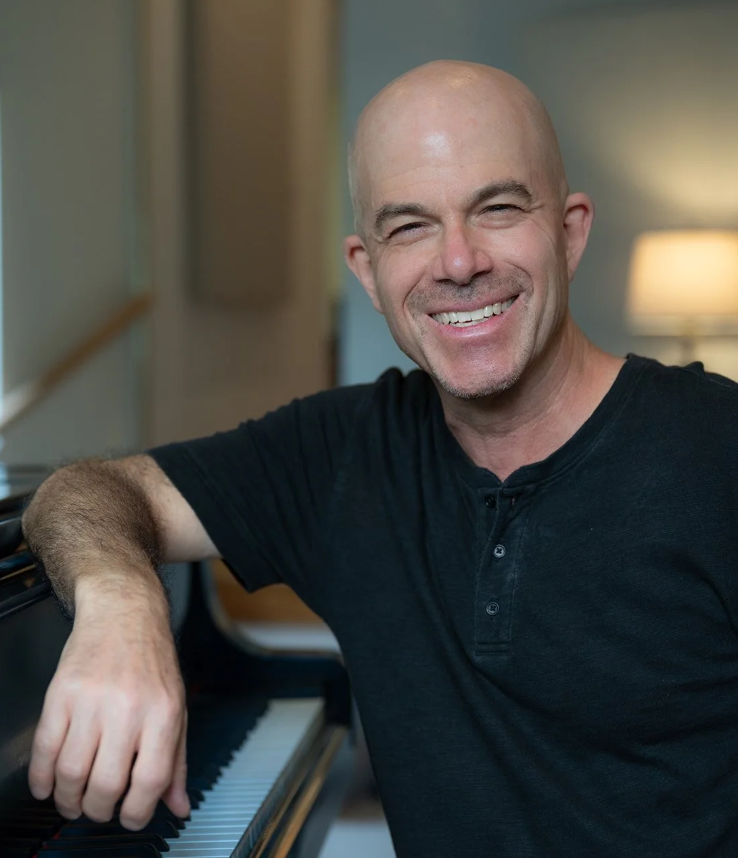
This piece contrasts aggressive, staccato rhythms with lyrical lines, and is excitement from start to finish. The composer Alan Lee Silva is a beloved developing strings composer, and is responsible for much of the music behind Universals Studios theme parks rides and parades.
The Lord of the Rings: The Fellowship of the Ring
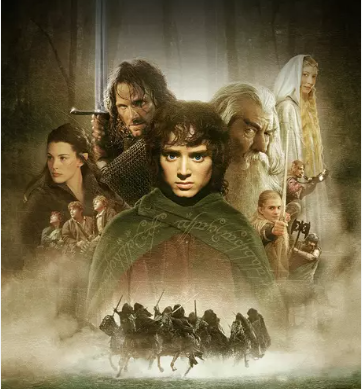
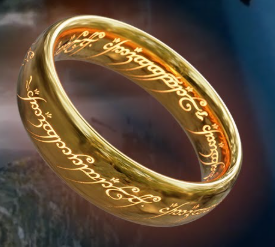
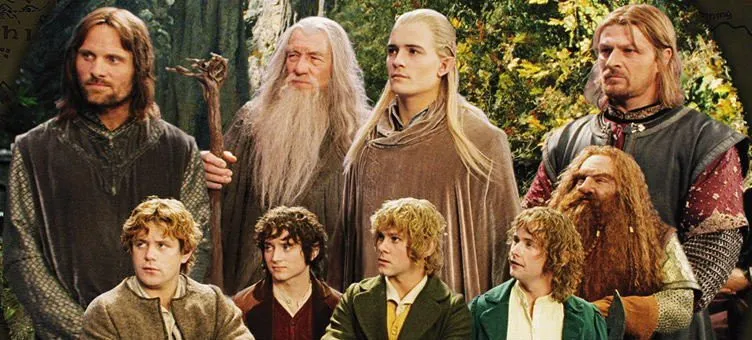
Originally penned by JRR Tolkien in 1954, tonight’s performance is from the 2001 film adaption with music by Howard Shore. This epic fantasy follows the journey of Frodo Baggins and his companions throughout their known world as they try to destroy the One Ring — the embodiment of all evil and corruption.
Our performance tonight starts with the eerie prologue, heard in the 2nd violins, recounting the history of the One Ring, and how it came into the hands of the good hearted and earthy halflings known as Hobbits.
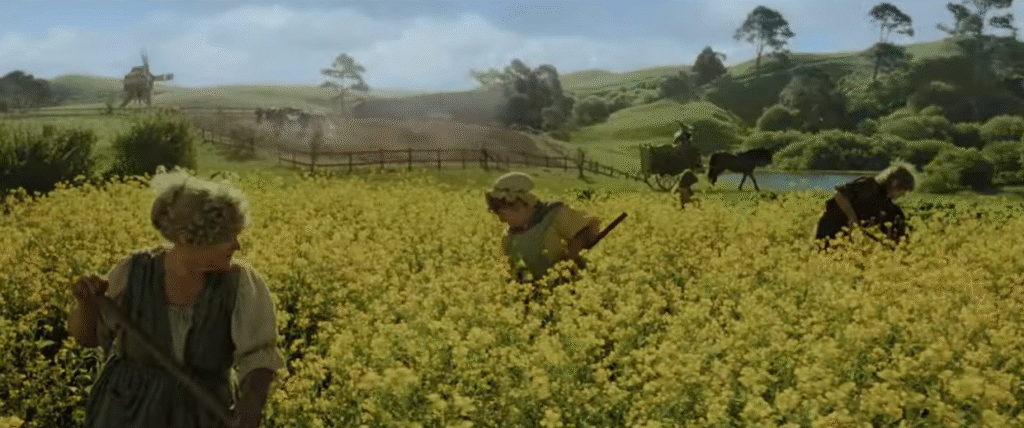
Next, the violas pick up the melody of the Hobbits — simple folk who love simple things: gardening, good food, relaxation, and most of all, peace.
The hobbit Frodo must now leave his home and take the ring to the very seat of the enemy’s stronghold to be destroyed. He doesn’t get far before we hear the haunting tones of the cello portraying the evil of the ring, which constantly beguiles the strong and weak alike toward corruption.

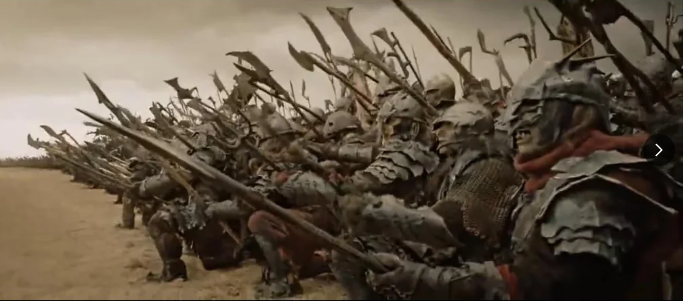
The pounding, march-like beat you’ll hear next is the unyielding advance of dark minions and the doom they threaten to bring, ever hunting the ring and its bearer.
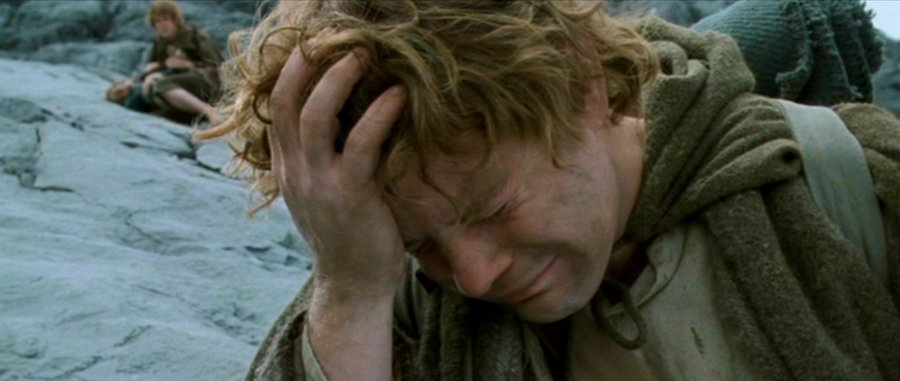
The danger eventually overwhelms the party, and (spoiler alert!) one of their number falls. A single, mournful violin grieves the loss of this friend, and some feel that they can’t go on.
But hope is never completely gone. The solo piano gently sounds the tune called “Middle Earth,” reminding them that their suffering and toil, though heavy, has deep purpose. The strings join back in, and we end with the triumphant statement of the companions resolutely continuing their journey–come what may–in a theme that is aptly called “The Fellowship.”
Advanced Ensemble:
Go to:
Brandenburg Concerto No. 3 Mvt 1
JS Bach, arr. Carma Needham
Mary, Did You Know
Pentatonix, arr. Carma Needham
Suite from How To Train Your Dragon
John Powell, arr. Carma Needham
Members:
Violin I: Clara Whitworth
Violin II: Penelope Olson
Viola: Emmett Fish
Cello: Hyrum Packer
Piano/Harp: Selah Brock
Drums: Hinckley Needham
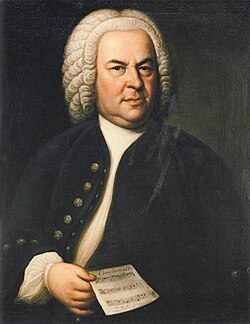
Brandenburg Concerto No. 3 Mvt 1
Originally written in 1720 for 3 violins, 3 violas, 3 cellos and a harpsichord, this gem of JS Bach’s lay almost entirely unused, its manuscript gathering dust, for more than 100 years. Even then, it still wasn’t considered popular until a 1936 recording made it more widely available.
And how it’s popularity has grown! In 2025 alone, it is estimated to have been performed by professional ensembles nearly 200 times.
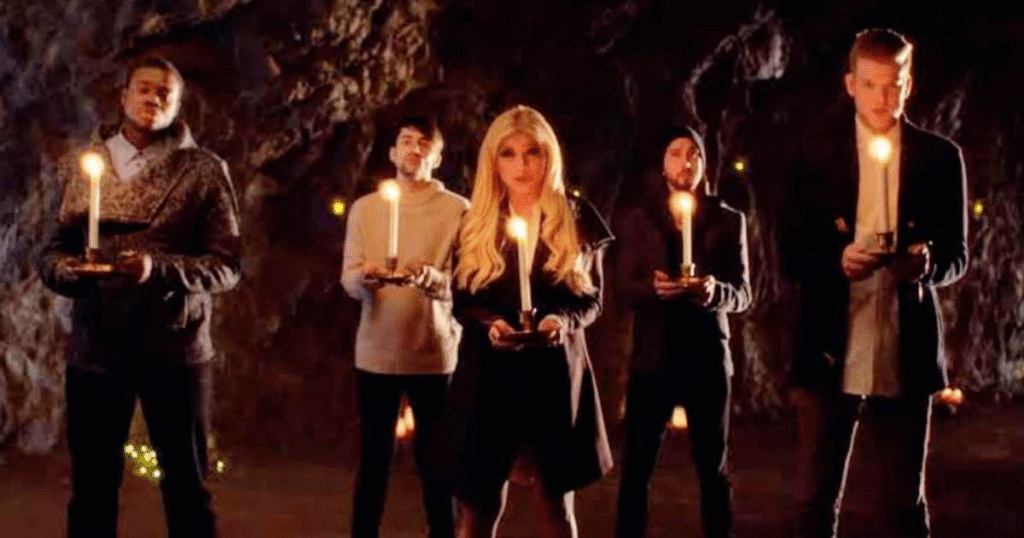
Mary, Did You Know?

When Mark Lowry wrote the text of this song in 1984, he said, “I just tried to put into words the unfathomable. I started thinking of the questions I would have for her if I were to sit down and have coffee with Mary. You know, ‘What was it like raising God?’ ‘What did you know?’ ‘What didn’t you know?’”
The version you’ll hear tonight was made popular by the acapella group Pentatonix, released in 2014.
Suite from How to Train Your Dragon
John Powell’s music from this 2010 DreamWorks classic is a masterclass in unforgettable thematic music. We didn’t need the Academy Awards to nominate it for Best Original Score to know its amazing — we hum and dance and celebrate our way through this soundtrack!

Our piece opens exactly as the movie does, with a quiet introduction to the viking island-village of Berk. As Hiccup Haddock calmly voices over a brief history, we hear what sounds like a sun rise, and the calm lapping of waves against the island’s shore, until Hiccup tells us that their “pests” are actually dragons!

The tempo races ahead with a galloping rhythm as the dragons snatch sheep, stream fire, and wreak havoc on the village. Hiccup is told repeatedly to stay out of the way, but he just can’t help himself.

Over time, Hiccup befriends a dragon, and names him Toothless. They become friends and partners in endeavoring to change the vikings’ minds about the dragons.
The first person he has to convince is Astrid, a hardened up-and-coming warrior and the top of their dragon hunting class. As Hiccup introduces her to Toothless and they take to the air, the solo violin begins the “Romantic Flight” theme. We hear the peaceful quiet of floating through the clouds, and the swooping wonder as Astrid realizes that everything she thought she knew about Dragons is wrong — and Hiccup’s not half bad either.

Finally, we feel the racing excitement of “Test Drive,” the epic portrayal of Hiccup’s first flight on Toothless, in equal measures terrifying and exhilarating. The syncopated drums and quick pulsing notes in the treble coupled with the drone notes in the bass underpin the childlike wonder of first flight.

In the final few bars we hear an echo of the Berk theme once more, reminding Hiccup, that though he might prefer his head in the clouds, he has important work to do back on land that will change his people for good.
Links:
Go to:
If you’ve had a good experience with Denton HSO, the best thank you you can give is to share it with others. Would you considering sharing on social media, with your homeschool groups, or leaving us a Google review?
Thank you for a wonderful year! I can’t wait to see what we’ll do together next!
-Carma Needham